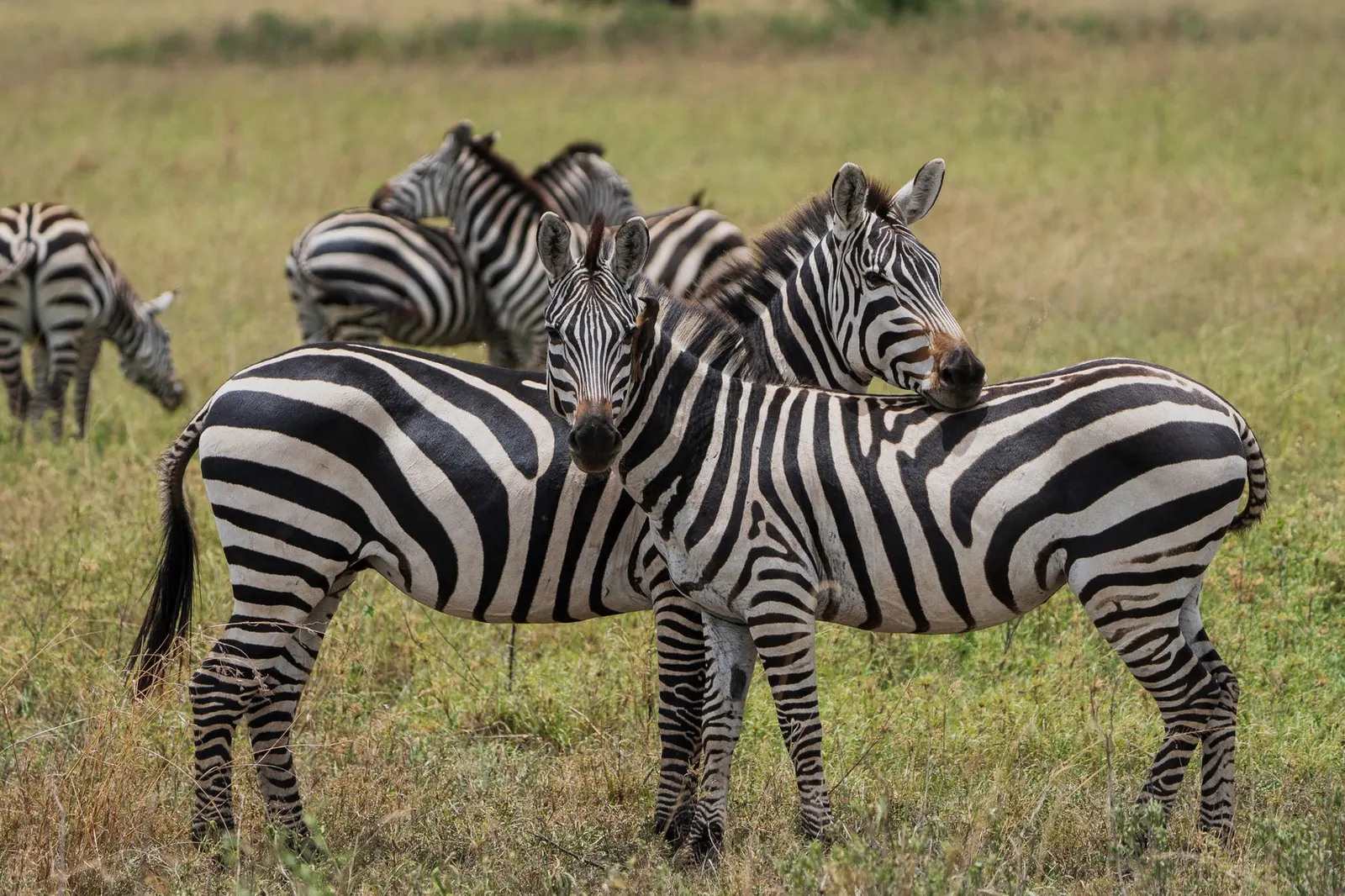
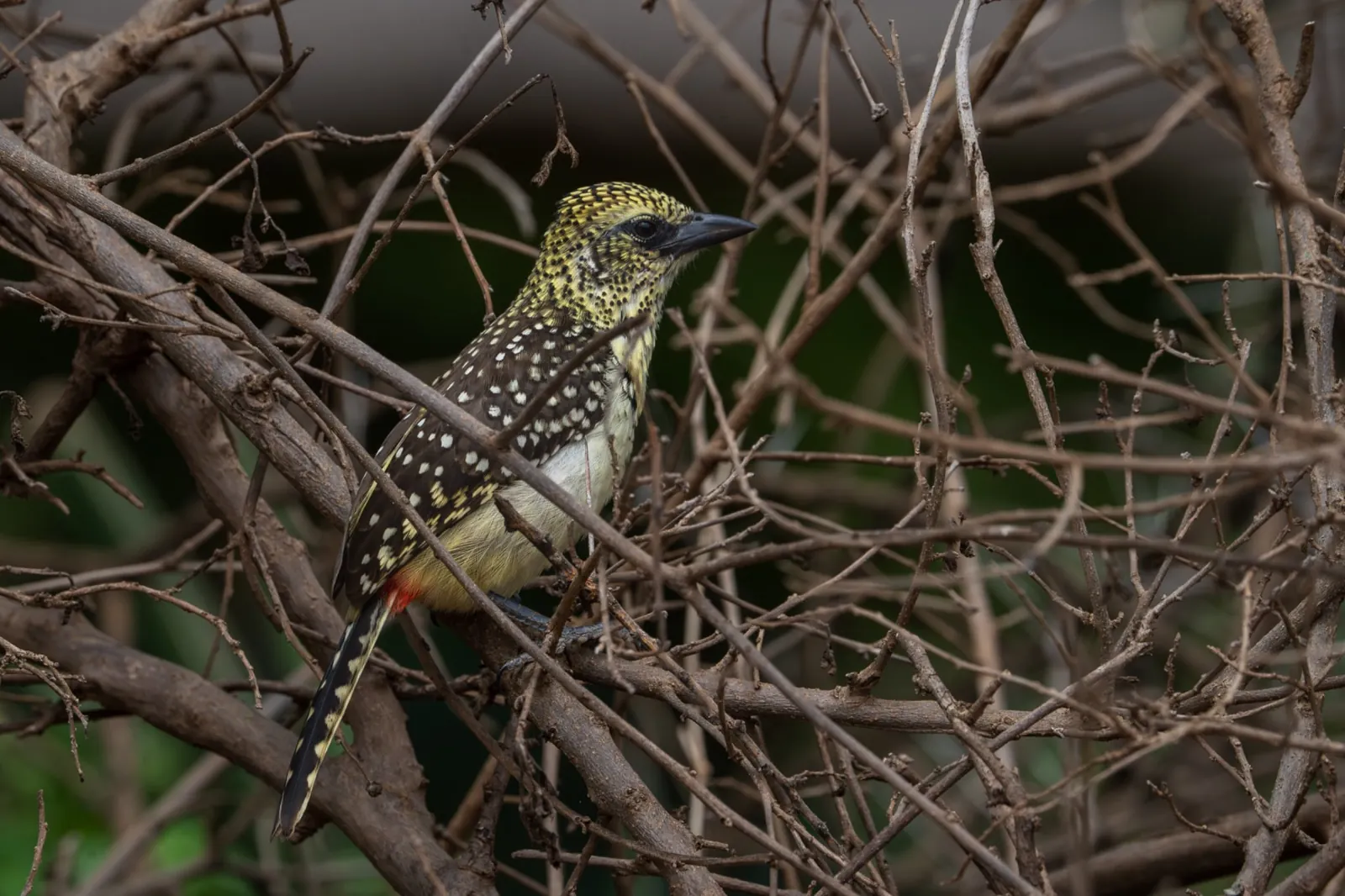
Choosing the right telephoto lens is one of the most important decisions when preparing for an African safari. Wildlife may appear close to the vehicle or hundreds of metres away. A versatile zoom helps you adapt without needing to approach animals. More focal length does not automatically mean better photographs: handling, autofocus, stability and the available light all matter.
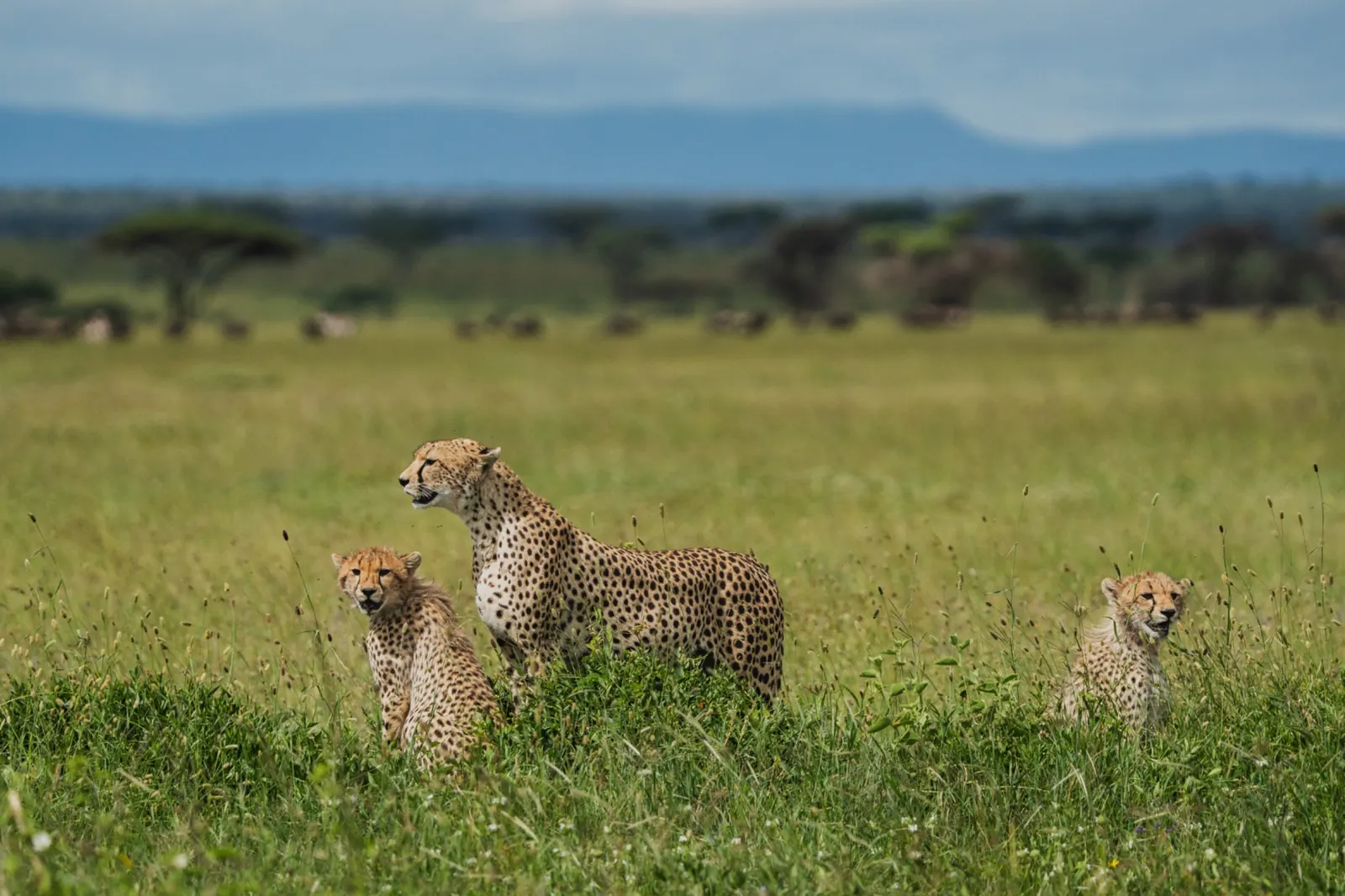
Manageable lenses for beginners
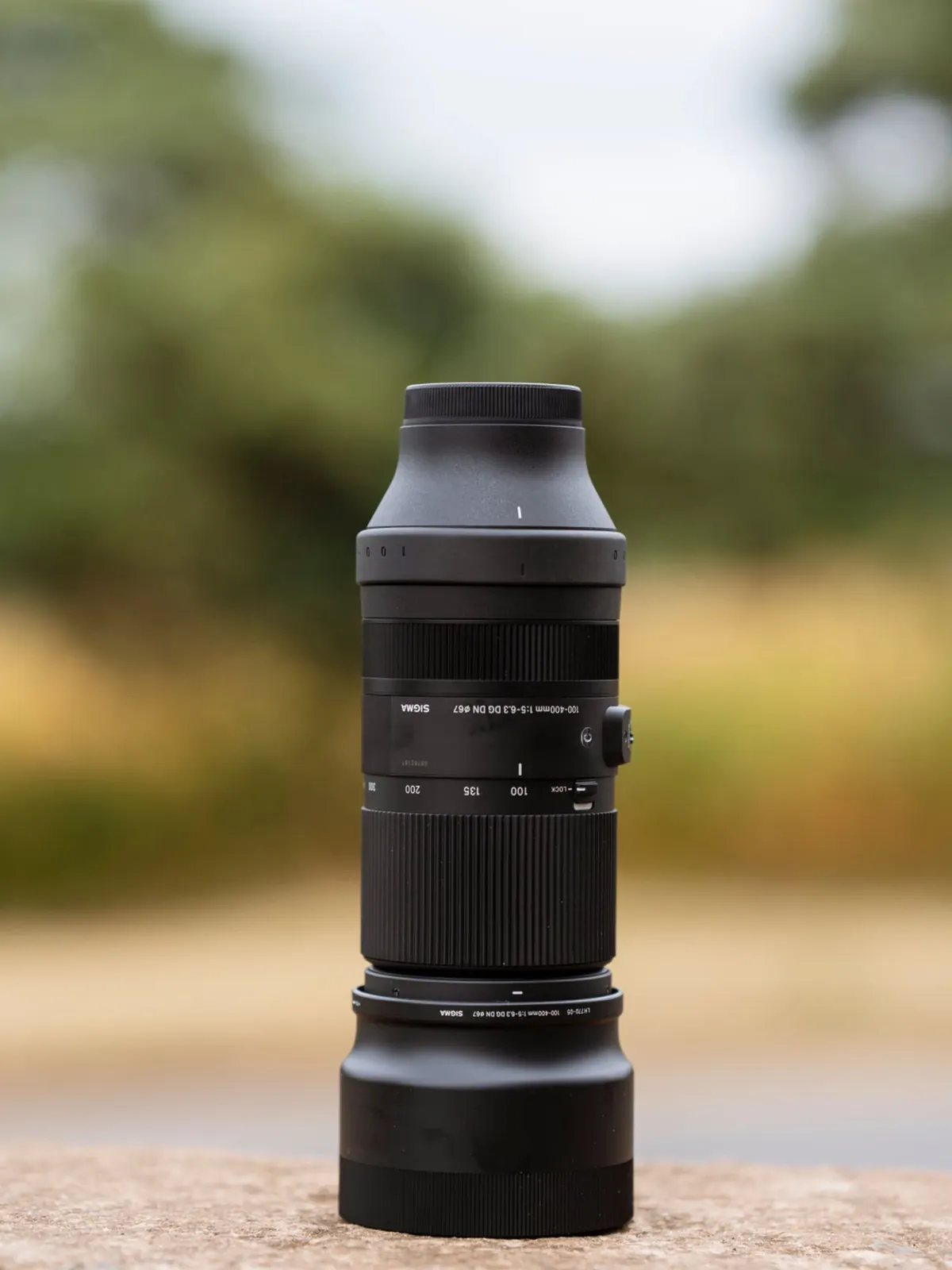
The Sigma 100–400mm offers a useful balance between reach and manageable handling for larger mammals and general wildlife photography. The Tamron 50–400mm F4.5–6.3 for Sony E-mount starts wider at 50mm, making it especially versatile for nearby animals and environmental scenes. On Sony APS-C cameras it provides a field of view equivalent to approximately 75–600mm on full frame. Its 400mm maximum reach can be limiting for distant birds.
The Tamron 50–400mm deserves particular consideration for Sony users who want to avoid frequent lens changes. Its 50mm wide end can accommodate larger subjects and scenes that would be difficult to fit into a frame at 150mm or 200mm. The Sigma 100–400mm offers another manageable route into wildlife photography. When comparing lenses, remember that physical weight, minimum focal length, camera balance and autofocus compatibility can affect your results as much as the maximum number printed on the barrel.
More reach without 800mm
The Tamron 150–500mm F5–6.7 for Sony E-mount is useful for distant predators and birds. On Sony APS-C cameras it offers approximately 225–750mm equivalent framing. It is relatively compact for a 500mm zoom but still a substantial lens. Sigma 150–600mm lenses offer a flexible extended zoom range across compatible systems; autofocus and handling depend on the specific version and camera combination.
Sony 200–600mm and Nikon 180–600mm
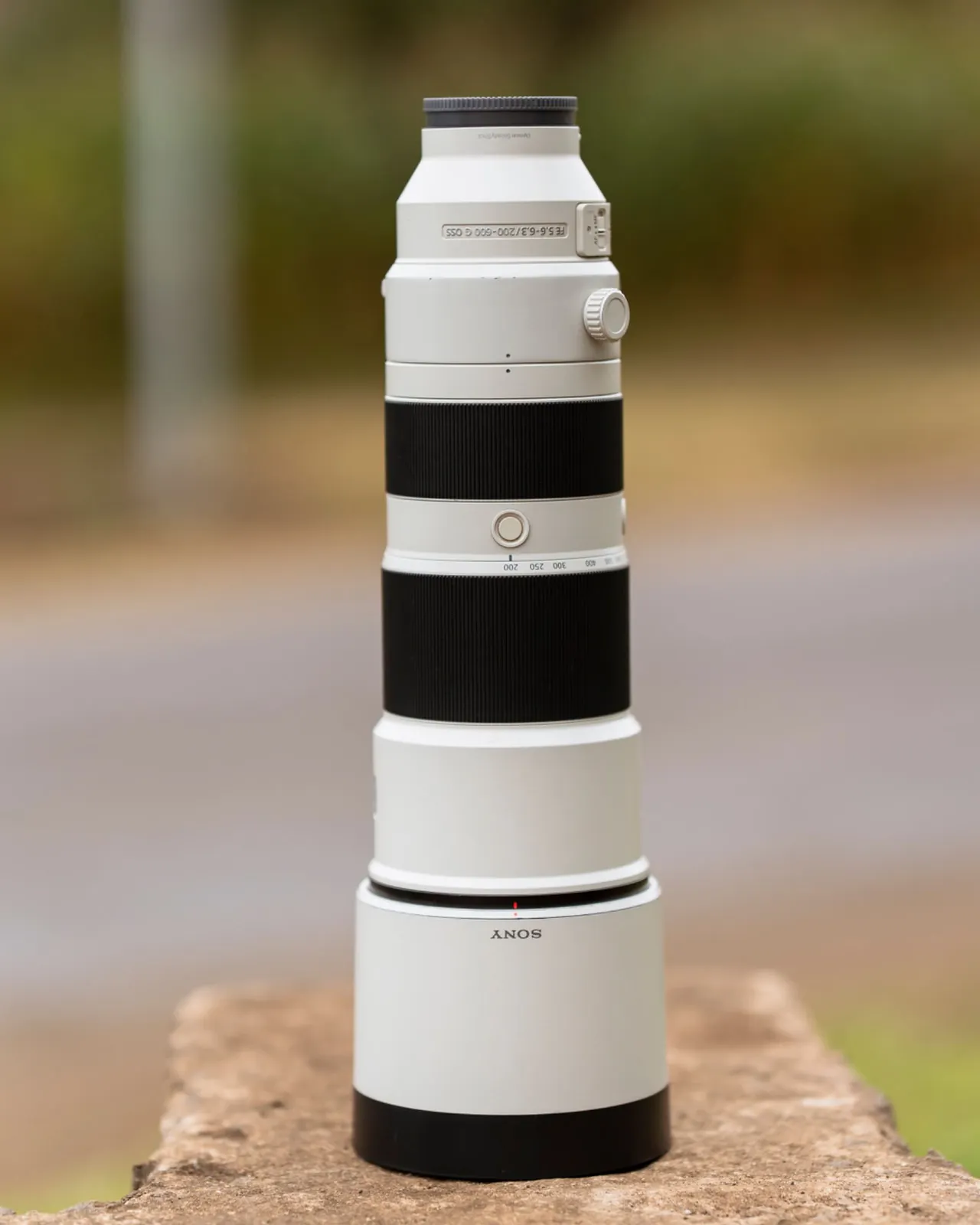
The Sony FE 200–600mm and NIKKOR Z 180–600mm are dedicated wildlife lenses with internal zoom designs that keep lens length consistent as focal length changes. Both are useful for distant animals and birds. Their longer starting focal lengths and substantial size can make nearby large mammals harder to frame than with a 100–400mm zoom.
Choosing the Sony 400–800mm
The Sony FE 400–800mm F6.3–8 G OSS is designed for distant wildlife and birds. Its internal zoom keeps handling consistent, but the 400mm wide end can be restrictive when an animal is close. The approximately 2.5kg lens requires care with support, framing and light. On Sony APS-C, the field of view is equivalent to about 600–1200mm, which can make tracking moving animals more difficult.
Canon telephoto options
The Canon RF 100–500mm offers a versatile balance of framing flexibility and telephoto reach. The Canon RF 200–800mm F6.3–9 IS USM reaches much farther, which can help when photographing distant wildlife, including black rhinos across Ngorongoro Crater. At 800mm and f/9, shutter speed and available light require particular attention.
Nikon and Tamron alternatives
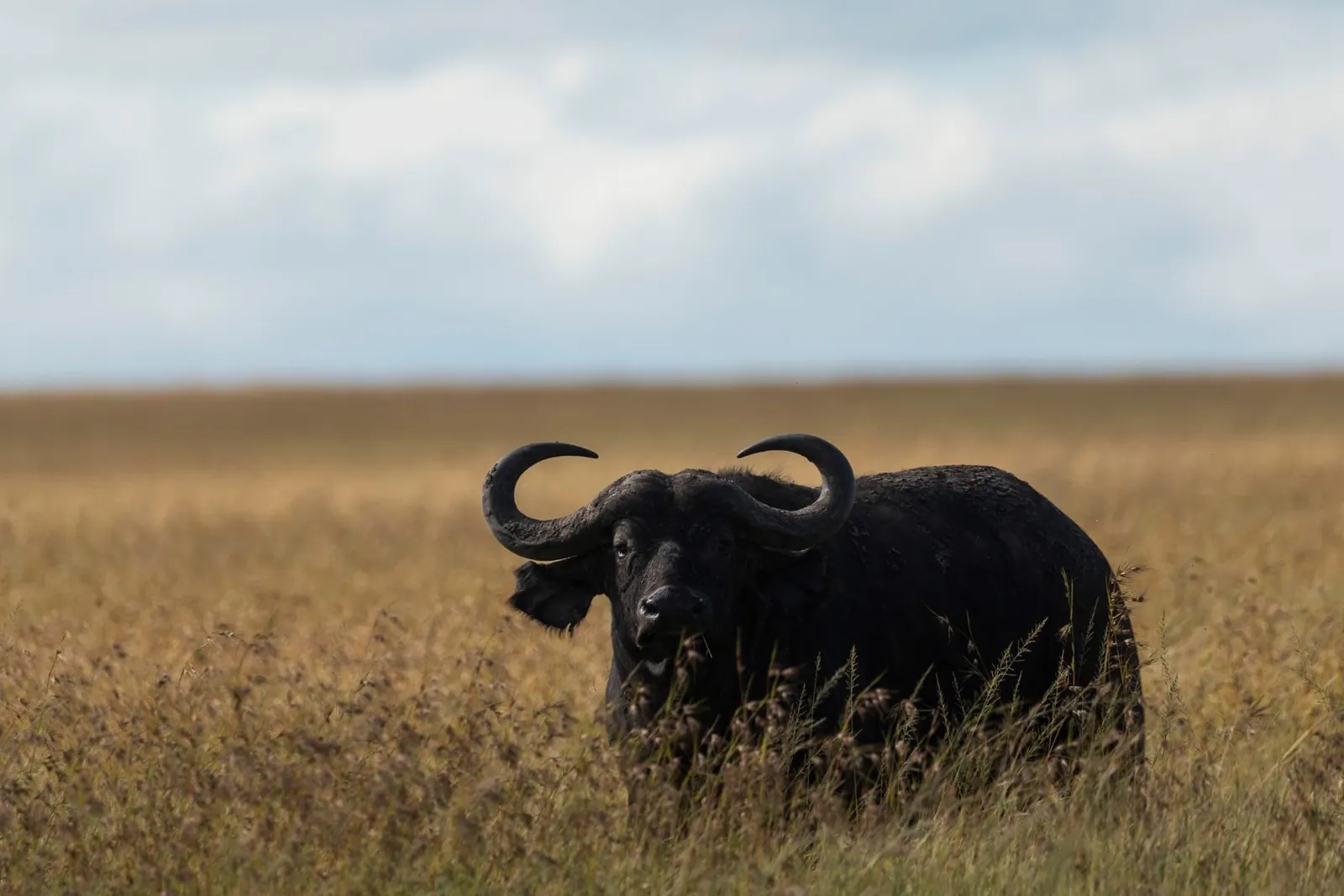
Nikon Z users can choose the NIKKOR Z 180–600mm, while compatible Sigma 100–400mm, Sigma 150–600mm and Tamron 100–400mm options can suit other systems. Always verify the exact lens mount, adapter requirements and autofocus compatibility before renting.
Choose a lens for your subjects
A manageable 100–400mm may produce more successful photographs for a beginner than an unfamiliar 800mm. Longer lenses are useful for distant wildlife but cannot overcome heat shimmer or poor technique. Lens On Safari Camera Rentals helps customers compare real handling, compatibility and intended subjects before choosing a rental.
For Sony APS-C photographers, the crop factor gives a narrower field of view with compatible full-frame E-mount lenses, but it does not increase their actual focal length or optical magnification. The Tamron 150–500mm can therefore be attractive for distant subjects, while its size still needs consideration. In Ngorongoro, an 800mm lens may help frame a black rhino far across the crater floor; in Tarangire, that same lens may be too tight for elephants close to the vehicle. There is no universally best safari lens, only a better match for the circumstances.