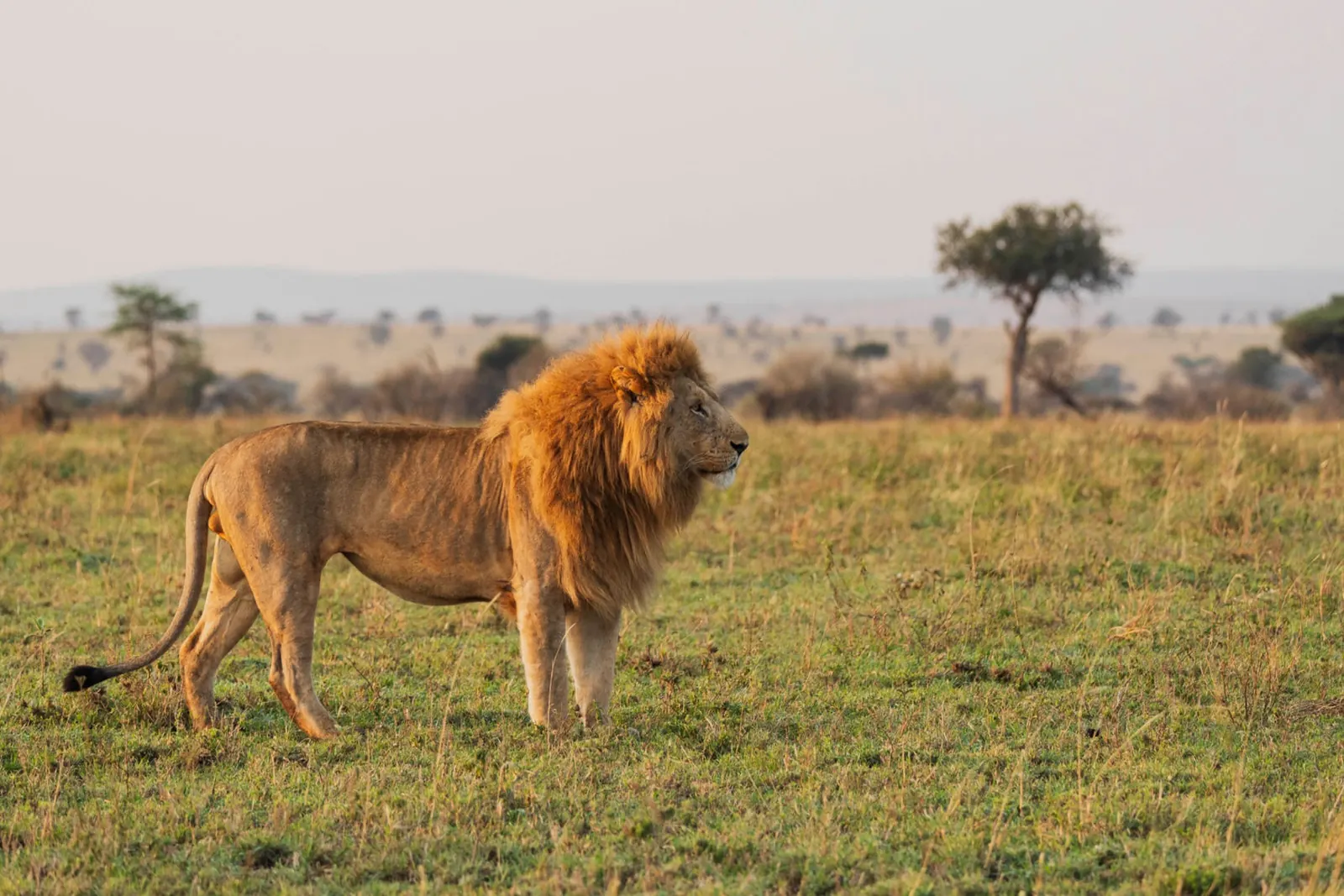
A memorable wildlife photograph often begins before the animal appears. It begins with preparation. Imagine watching a leopard descend from a tree in the Serengeti, only to discover that your memory card is full or your battery is empty. These problems can often be avoided with a few simple checks, whether you own equipment or plan to rent it in Tanzania.
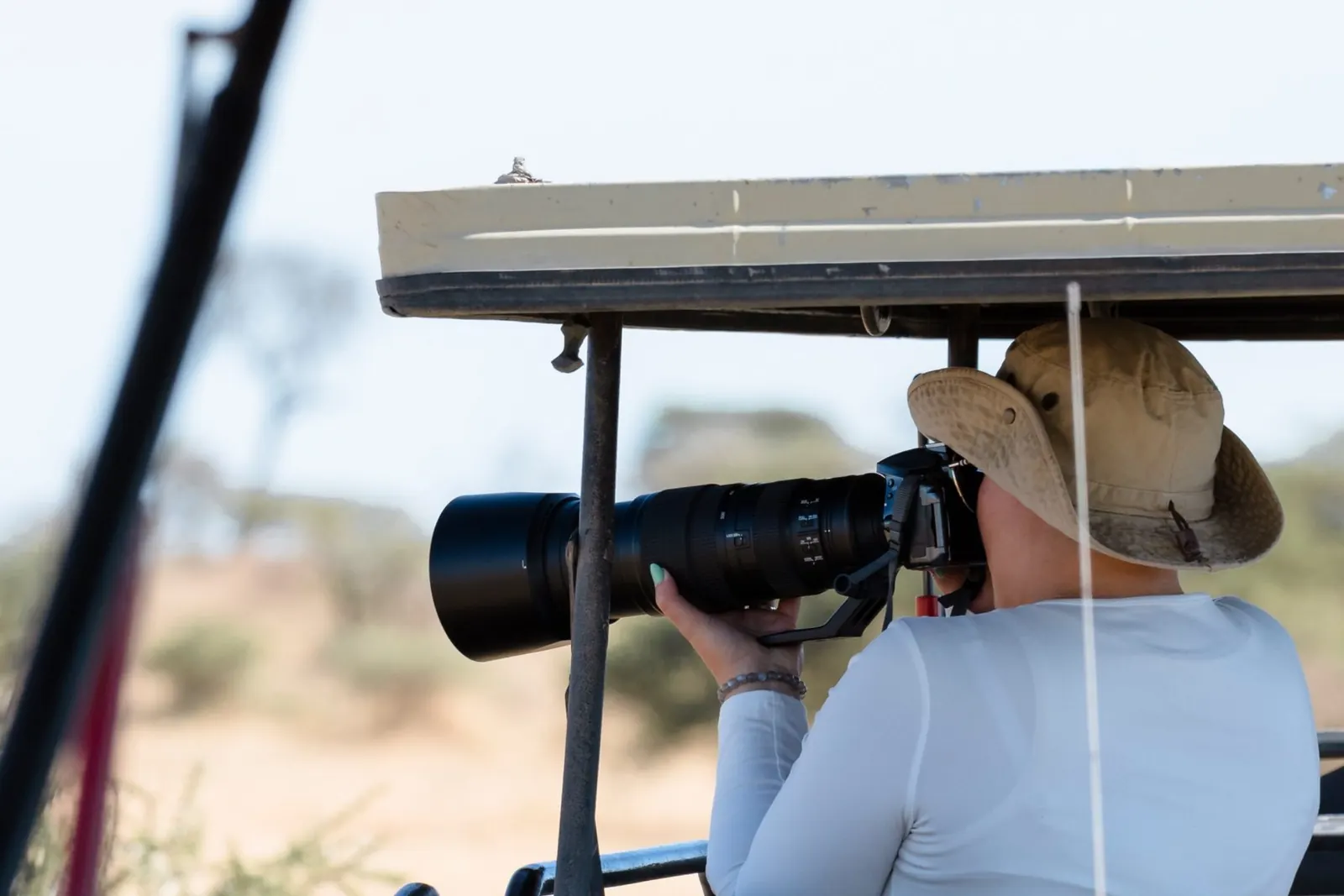
Check the camera and lens before departure
Take several test photographs and review them. Confirm that autofocus responds, the zoom operates smoothly and the camera records images without errors. If you are using an adapter, check that camera and lens communicate correctly. This matters especially with adapted Sigma or Tamron lenses on different camera systems.
Prepare batteries and memory cards
Continuous autofocus, electronic viewfinders and burst shooting all use battery power. Carry at least one spare battery where possible and charge whenever suitable facilities are available. Wildlife action sequences can fill storage quickly, particularly in RAW format. Bring sufficient memory cards and back up important images regularly.
Understand how your telephoto lens handles
A Tamron 50–400mm or Sigma 100–400mm is generally easier to manage than a large 600mm or 800mm zoom. The Sony FE 400–800mm and Canon RF 200–800mm require particular attention to stability and framing. At long focal lengths, small camera movements become more noticeable. Practise finding a subject in the viewfinder, zooming smoothly and maintaining focus. Sony APS-C users with the Tamron 150–500mm should also practise with its narrower field of view.
A lens with internal zoom, such as the Sony 200–600mm or Nikon Z 180–600mm, maintains its length as you zoom. Other designs extend, which changes the balance in your hands. Neither approach automatically guarantees better photographs. Practise supporting the lens, moving between wide and tight framing, and checking that stabilisation is configured appropriately. With an 800mm lens, locating a small subject can take practice; start at the wider end of the zoom where possible and then tighten the composition.
Set up autofocus and exposure
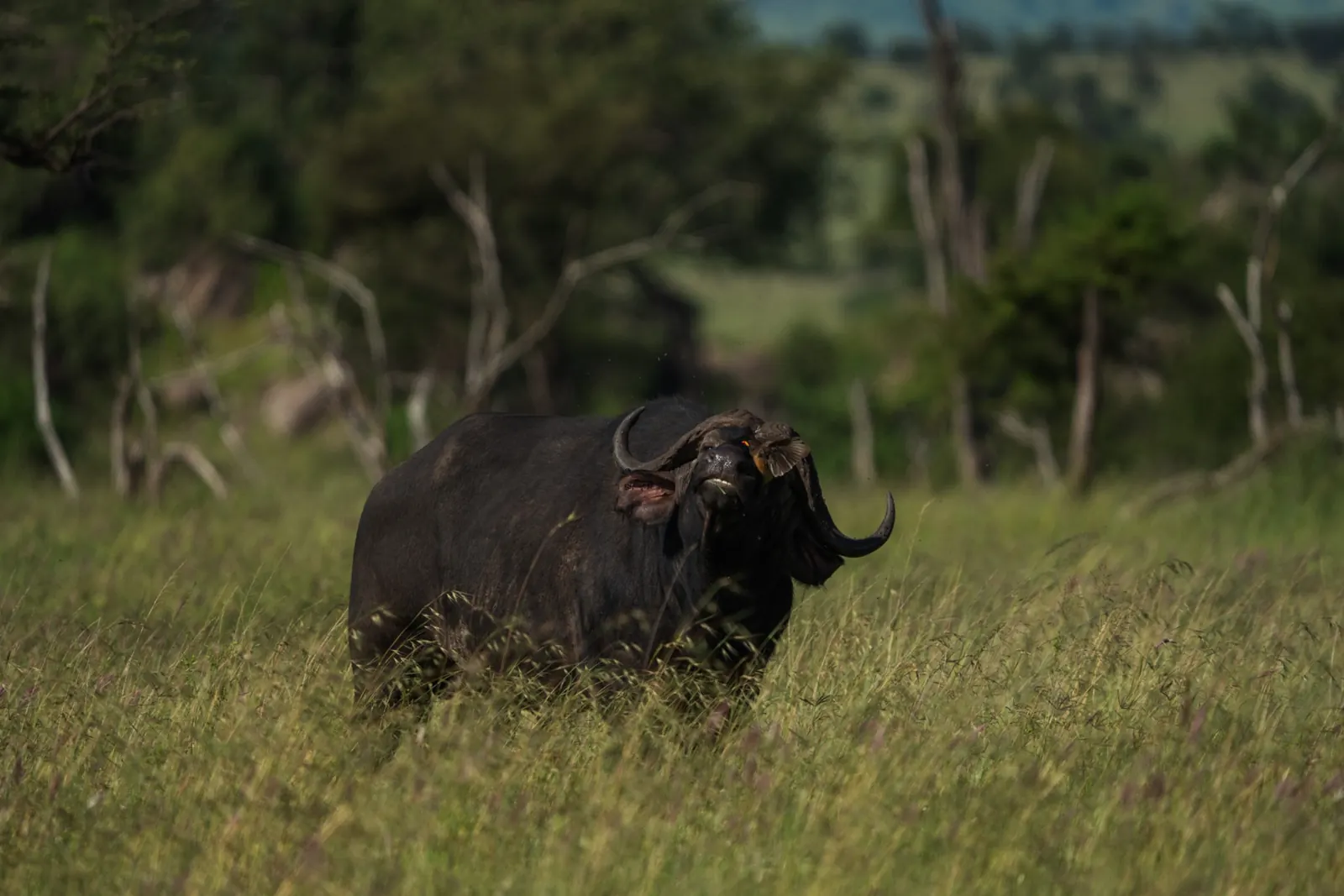
Continuous autofocus is useful for moving wildlife. Around 1/1000 second is a starting point for many encounters; running animals or birds in flight may require faster shutter speeds. Auto ISO helps when light changes quickly during morning and afternoon drives. With a 600mm or 800mm lens, check shutter speed and image sharpness carefully.
Protect equipment from dust and movement
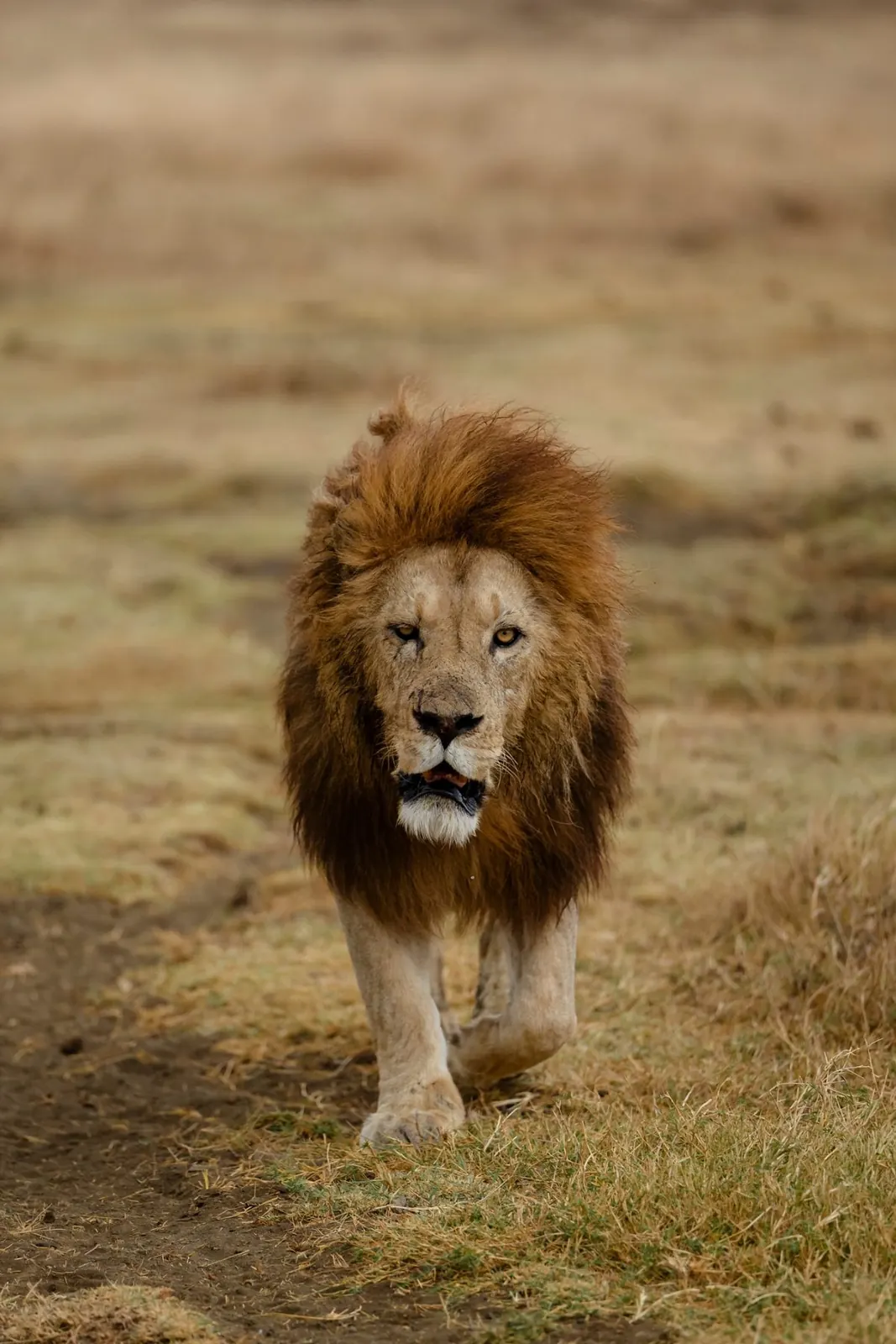
Northern Tanzania's safari routes can be dusty, especially in dry conditions. Keep equipment in a suitable bag when not in use and avoid unnecessary lens changes. Use a blower to remove loose dust before cleaning glass; never rub abrasive particles across a lens. Keep straps secure and do not leave cameras where they may fall as vehicles travel over uneven ground. A bean bag or monopod may help in suitable vehicles.
Plan where the camera will sit between sightings so it cannot slide off a seat during a rough section of road. Keep lens caps, batteries and cards in predictable places, rather than loose in the vehicle. When photographing from an open roof, be mindful of other guests and avoid extending heavy equipment into unsafe positions. If your camera or lens becomes unusually hot, wet or dusty, follow its care guidance rather than attempting aggressive cleaning. Simple routines protect both rented and personally owned equipment.
Preparation at handover
At Lens On Safari Camera Rentals, equipment preparation includes functionality, compatibility and cleanliness checks. Customers can receive practical guidance on essential controls before beginning their safari. The objective is to reduce avoidable problems and help travellers feel comfortable with the equipment.
Be ready for the moment
You cannot control when a lion moves or how long a bird stays perched, but you can prepare your camera. A reliable setup lets you concentrate on the wildlife rather than troubleshooting it.