Wildlife photography is one of the most rewarding experiences of an African safari. Watching elephants move through Tarangire, observing lions in the Serengeti or photographing a distant black rhino in Ngorongoro creates opportunities to capture remarkable moments. But the desire for a beautiful photograph should never outweigh animal welfare or protection of the environment.
Viewing distance matters
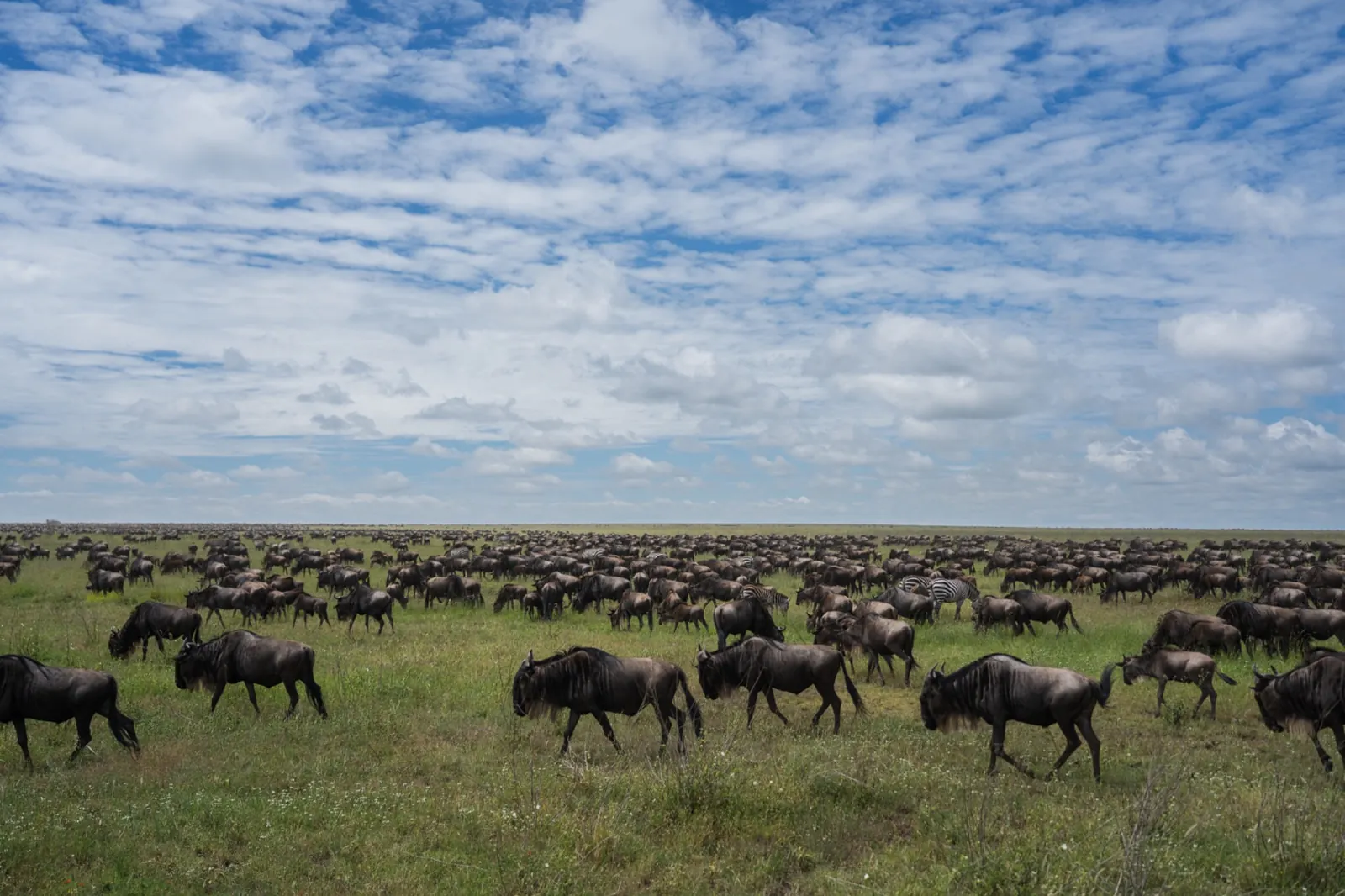
Wild animals may respond to vehicles, noise or people approaching too closely. Disturbance can interrupt feeding, resting, hunting or other natural behaviour. Photographers should follow park regulations and the guidance of experienced safari guides. The objective is to observe wildlife, not influence it for a photograph.
How a telephoto lens helps
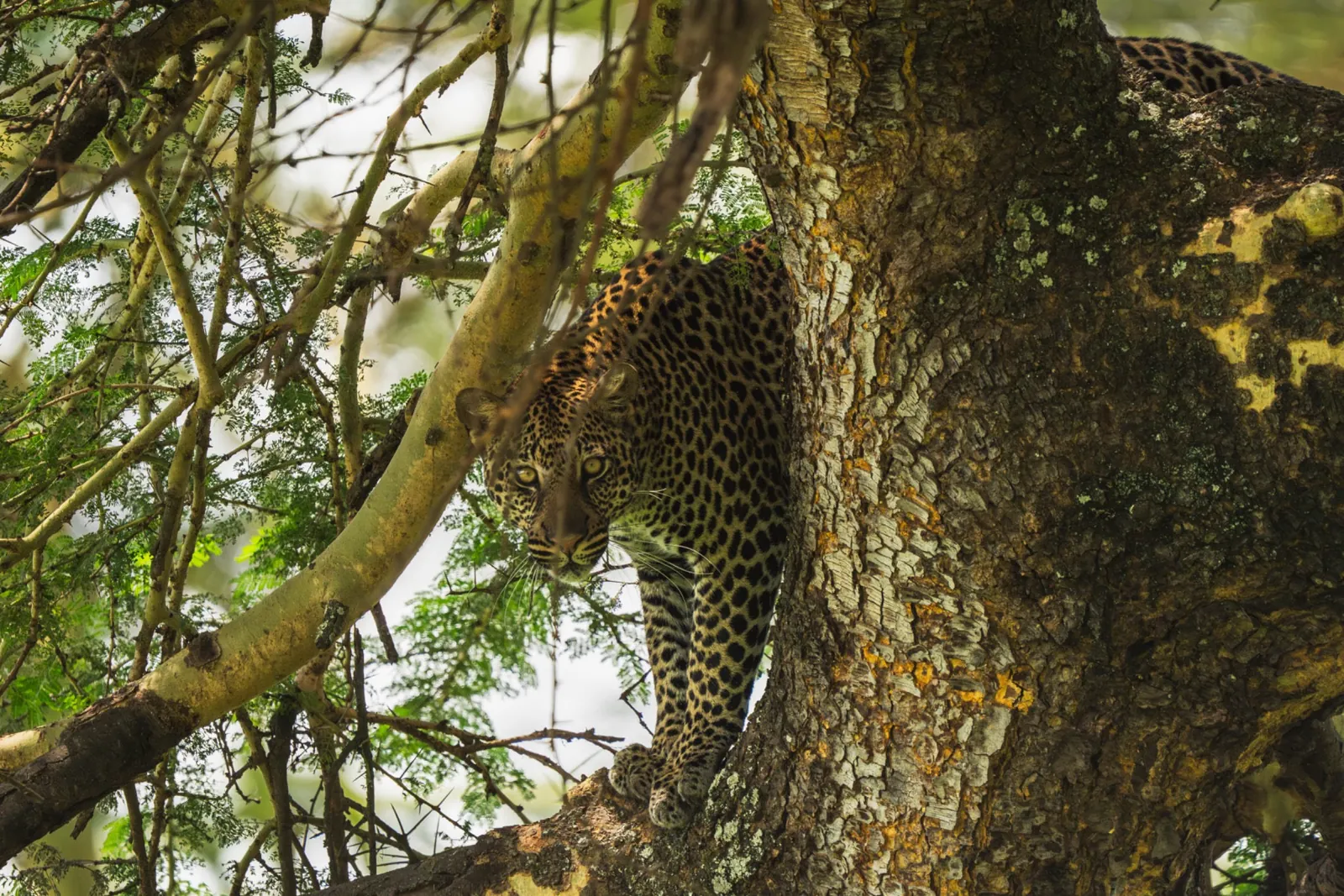
A telephoto lens lets you frame animals from greater distances without necessarily moving closer. A 400mm, 500mm or 600mm lens can help photograph predators and birds from an appropriate position. The Sony FE 400–800mm and Canon RF 200–800mm provide additional reach, which can be particularly useful when black rhinos are visible far across Ngorongoro Crater. A Sony APS-C camera paired with a Tamron 150–500mm also provides substantial framing reach. None of these lenses replaces responsible judgement about animal behaviour or vehicle positioning.
A long lens is especially useful when wildlife must be observed from a fixed position. For example, a distant black rhino in Ngorongoro may be photographable with a 600mm or 800mm lens without asking a guide to approach. A shorter zoom can be more appropriate for elephants near the vehicle or an animal framed within the landscape. The purpose of reach is to give the photographer options while respecting distance, not to justify pushing for a closer encounter.
Photograph natural behaviour
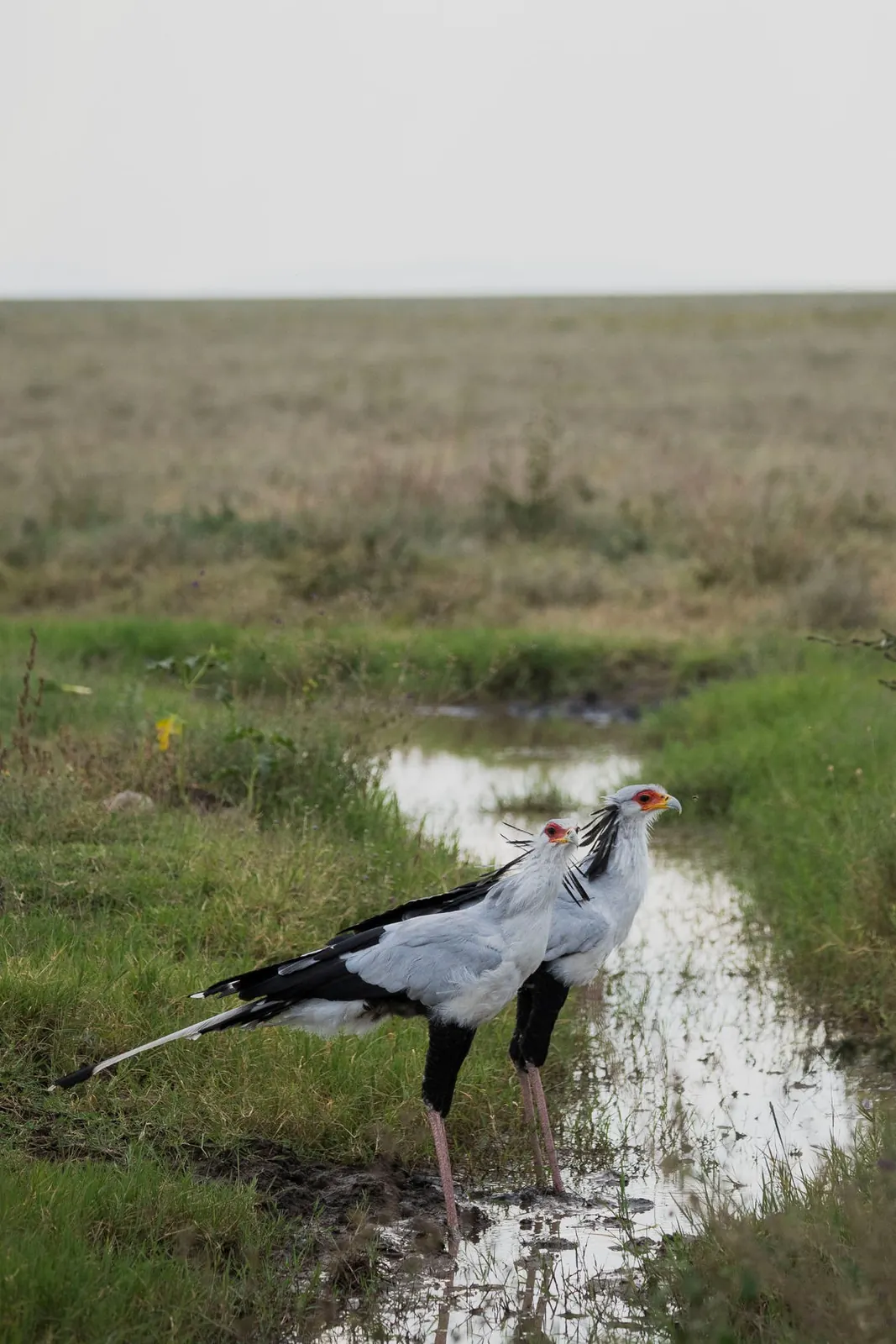
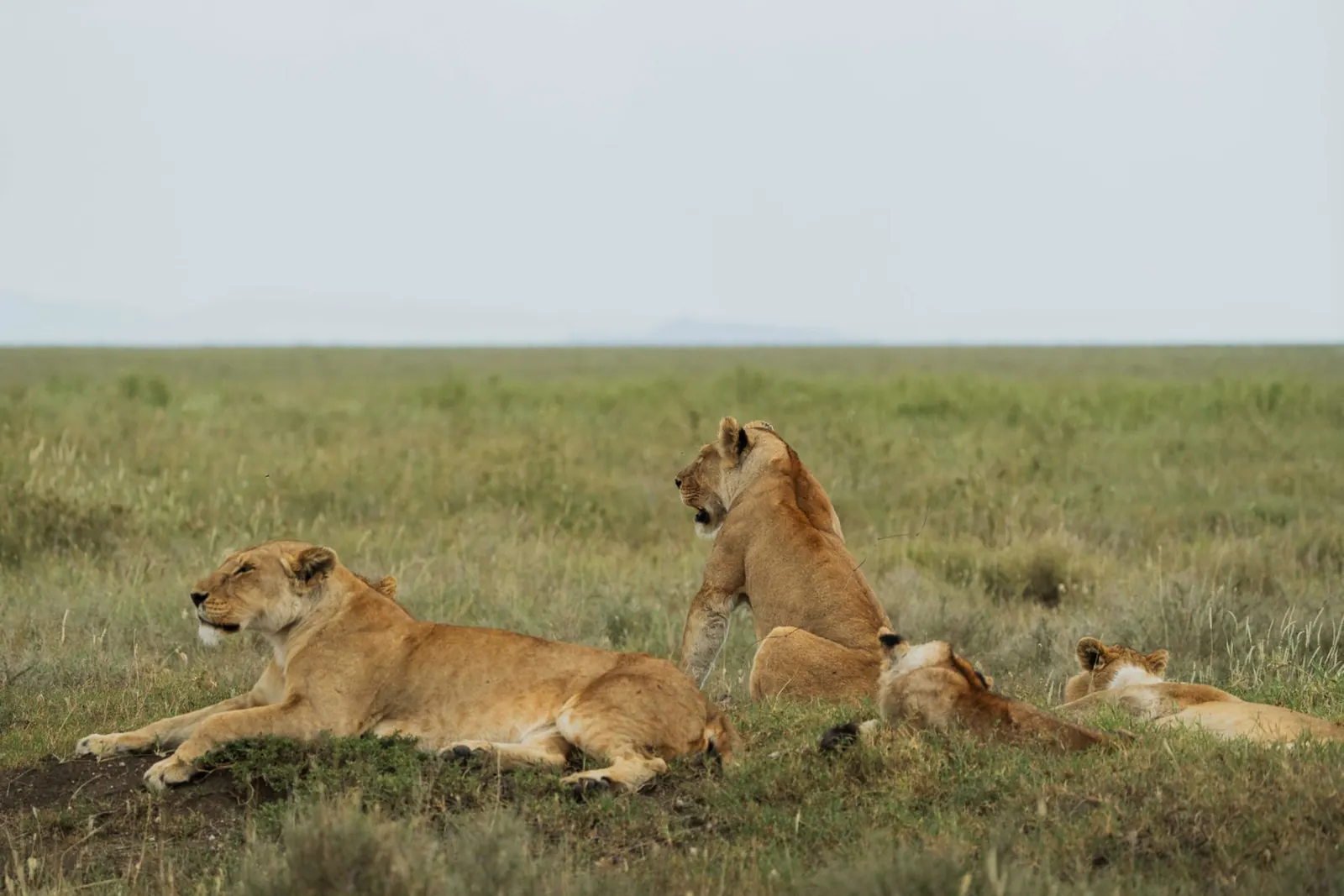
Some of the most memorable images capture animals behaving naturally: an elephant calf following its mother, a lion interacting with its pride or a bird preparing to take flight. These moments often require patience. Avoid asking guides to disturb animals or create reactions for photographs. Natural behaviour is more meaningful than a staged encounter.
Patience often produces more interesting photographs than repeated repositioning. Watch how animals interact with one another and how the scene changes as they move. An elephant calf staying close to its mother or a bird quietly feeding can communicate more than a dramatic but disturbed reaction. Avoid flash or other interventions where they may distress animals, and follow your guide's advice and local rules. Responsible photographs should document what happened naturally rather than what the photographer persuaded an animal to do.
Work with your safari guide
Guides understand local conditions, wildlife behaviour and applicable park regulations. Explain your photographic interests before the drive, whether birds, predators or environmental wildlife scenes. This helps the guide understand your priorities without creating pressure to approach wildlife unsafely. Respect their decisions about positioning and viewing distances.
Include the surrounding environment
Wildlife photography is not always about tightly framed portraits. Elephants beneath Tarangire's baobabs or a lion against the open Serengeti plains can communicate the character of a destination. Sometimes a Tamron 50–400mm or Sigma 100–400mm is better suited to this storytelling than an 800mm close-up. A Sony 200–600mm or Nikon 180–600mm offers more reach when needed.
Photography should support the encounter
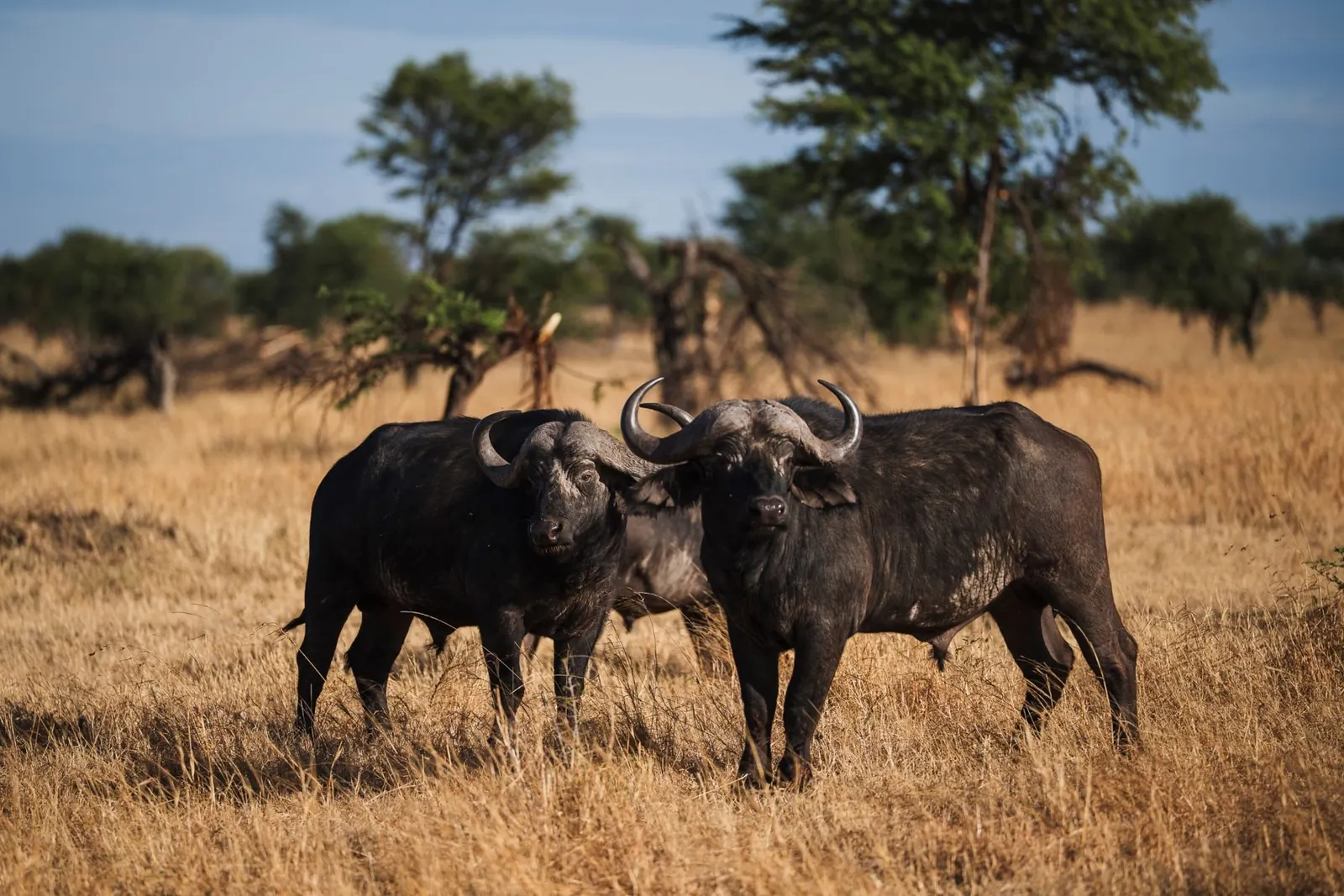
Lens On Safari Camera Rentals is based in Arusha and encourages equipment choices that combine practical photography with respect for wildlife. The strongest photographs often show animals behaving naturally in their environment. Choose lenses that support responsible viewing, and enjoy the encounter before concentrating on the image.