Your phone will probably capture some of your favourite safari memories. It is easy to reach for when the light changes, your guide stops at a viewpoint or you want a photograph with the people travelling beside you. But if photographing wildlife is an important part of your trip, it helps to understand what a phone can do and where a camera with a telephoto lens gives you more options.
Where a smartphone works well
A smartphone is a good choice for wide landscapes, camp life, people and short videos. It lets you photograph and share a moment quickly, without learning a new camera. When an animal is close enough, a phone can also make a memorable wildlife image.
There is no reason to put it away because you have rented a camera. The two can be useful for different parts of the same day.
The challenge of wildlife at a distance
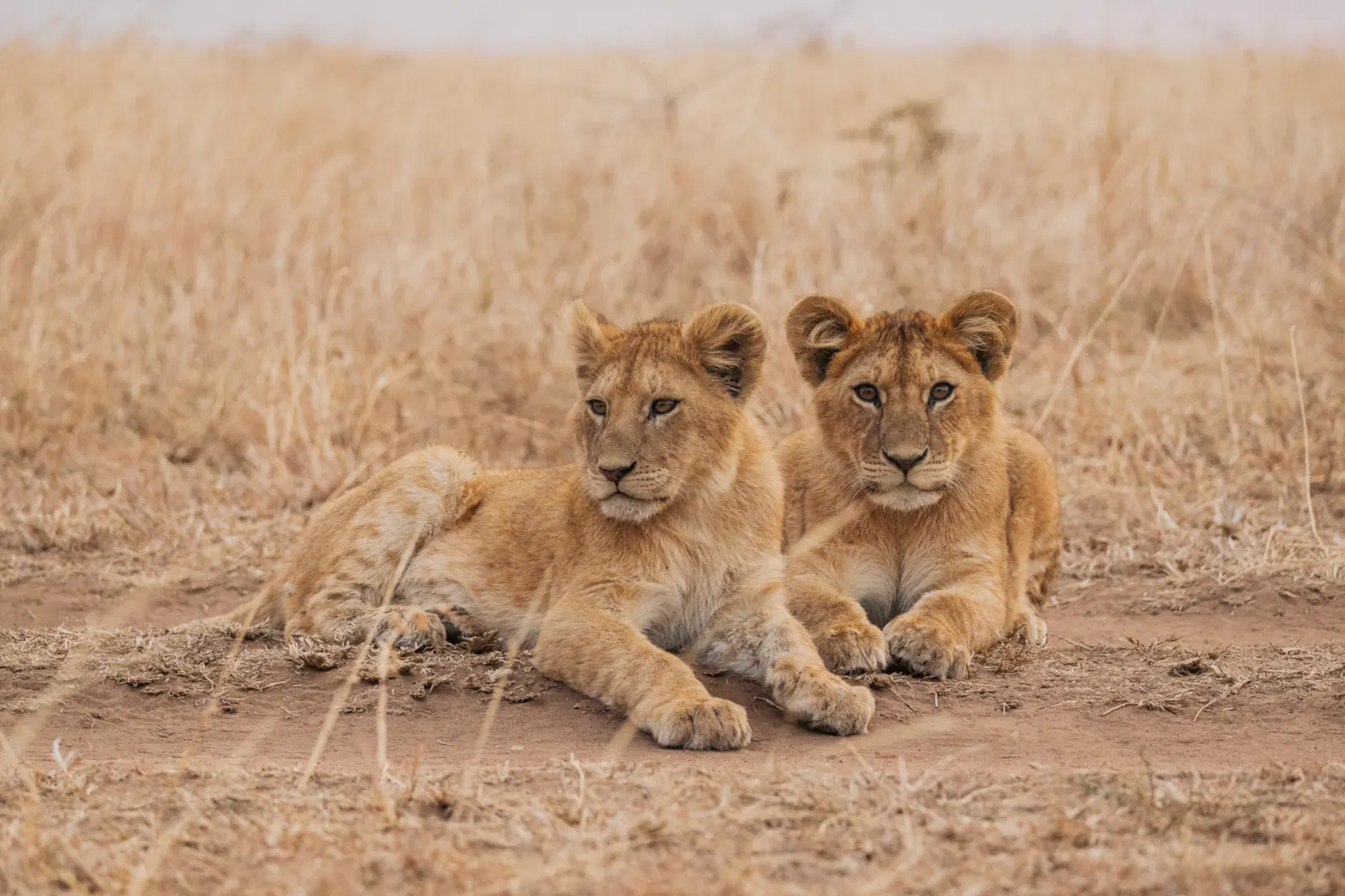
Safari animals do not always appear beside the vehicle. A leopard might rest high in a tree, while a lion or rhino may be visible across open ground. Your guide may be unable to drive closer, or moving closer may be inappropriate.
Some phones have telephoto cameras, but zooming beyond their optical range relies increasingly on cropping and processing. A distant animal may look larger on the screen without retaining the detail you hoped to see in its eyes, fur or surroundings. A dedicated telephoto lens gives you more optical reach from the same viewing position. Light, haze, focus and steady handling still affect the result.
“You could have a grainy photo OR you could have one of Chim’s telephoto zoom lenses and take a photo that’s worth framing.”
Andra Bratu, Lens On Safari Camera Rentals guest · Read the Google review
Andra’s review describes a leopard that could not be reached by vehicle. It is a useful example of why lens reach matters: the photographer can work from the position available rather than depending on the animal coming closer.
What a camera and telephoto lens add
A zoom lens lets you adjust your framing as the distance changes. At the shorter end, you can include more of an elephant and its surroundings. At the longer end, you can give a smaller or more distant animal a stronger place in the photograph. A 100–400mm lens may be a manageable starting point for many travellers; lenses reaching 500mm or 600mm offer more reach when distant wildlife is a priority. The right choice also depends on the camera, your experience and how comfortable the equipment feels to use.
A longer lens does not guarantee a sharp photograph or a particular sighting. It gives you another way to respond when an encounter happens.
A guest’s safari perspective
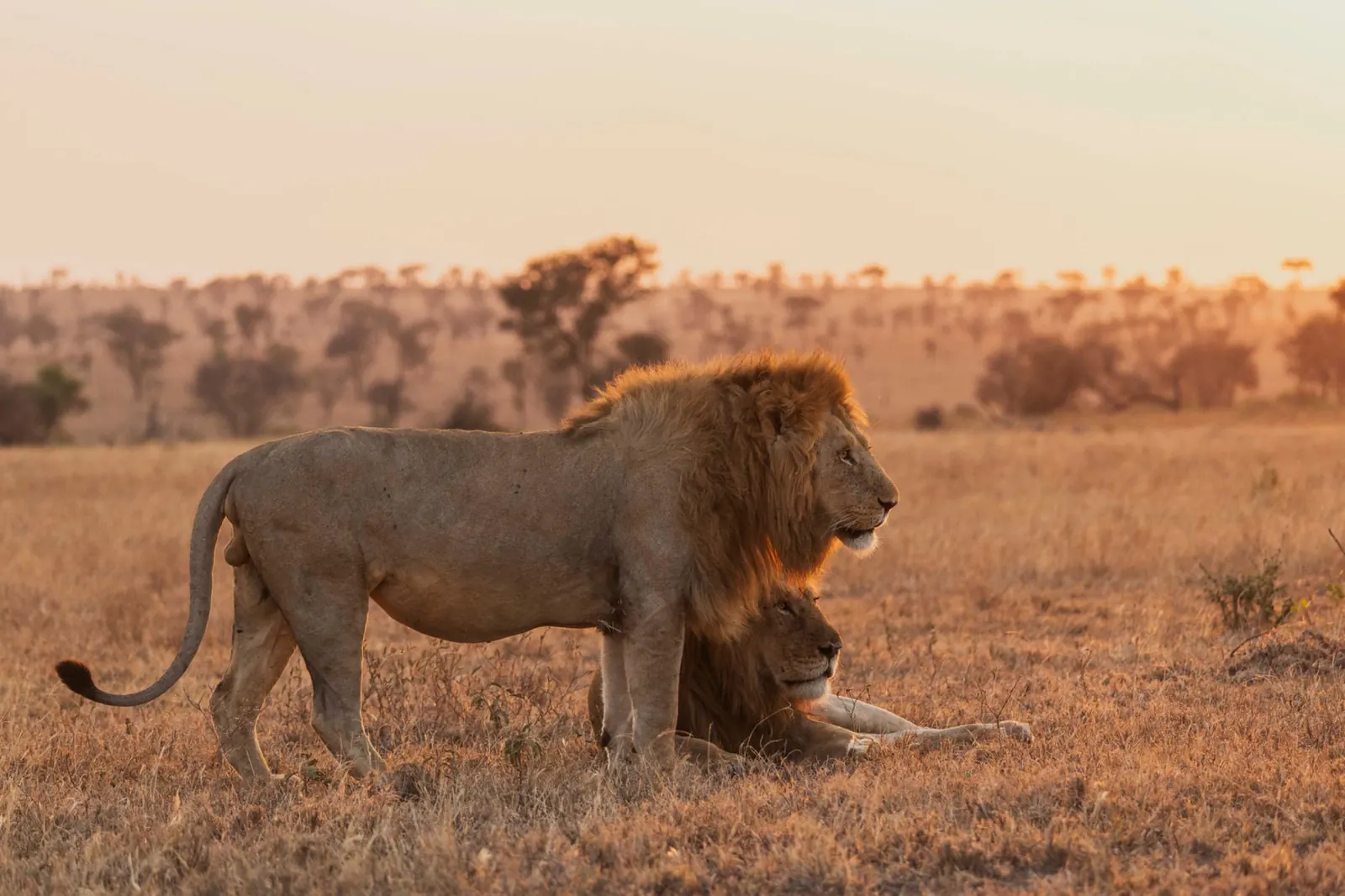
One of our guests shared their experience after renting from Lens On Safari Camera Rentals. Their Instagram post offers a personal perspective alongside the practical advice above.
Bring the camera that fits your trip
For many travellers, bringing both devices is practical: use your phone for the wider story of the safari and a camera with a telephoto lens when wildlife is farther away. If you are new to cameras, you do not need to master every setting before your first game drive. Start with equipment you can handle comfortably and learn the controls that matter most.
Lens On Safari Camera Rentals offers camera kits and compatible telephoto lenses for safaris beginning in Northern Tanzania, with setup guidance at handover. Your choice should reflect the photographs you hope to take, the camera you already own, if any, and your itinerary.