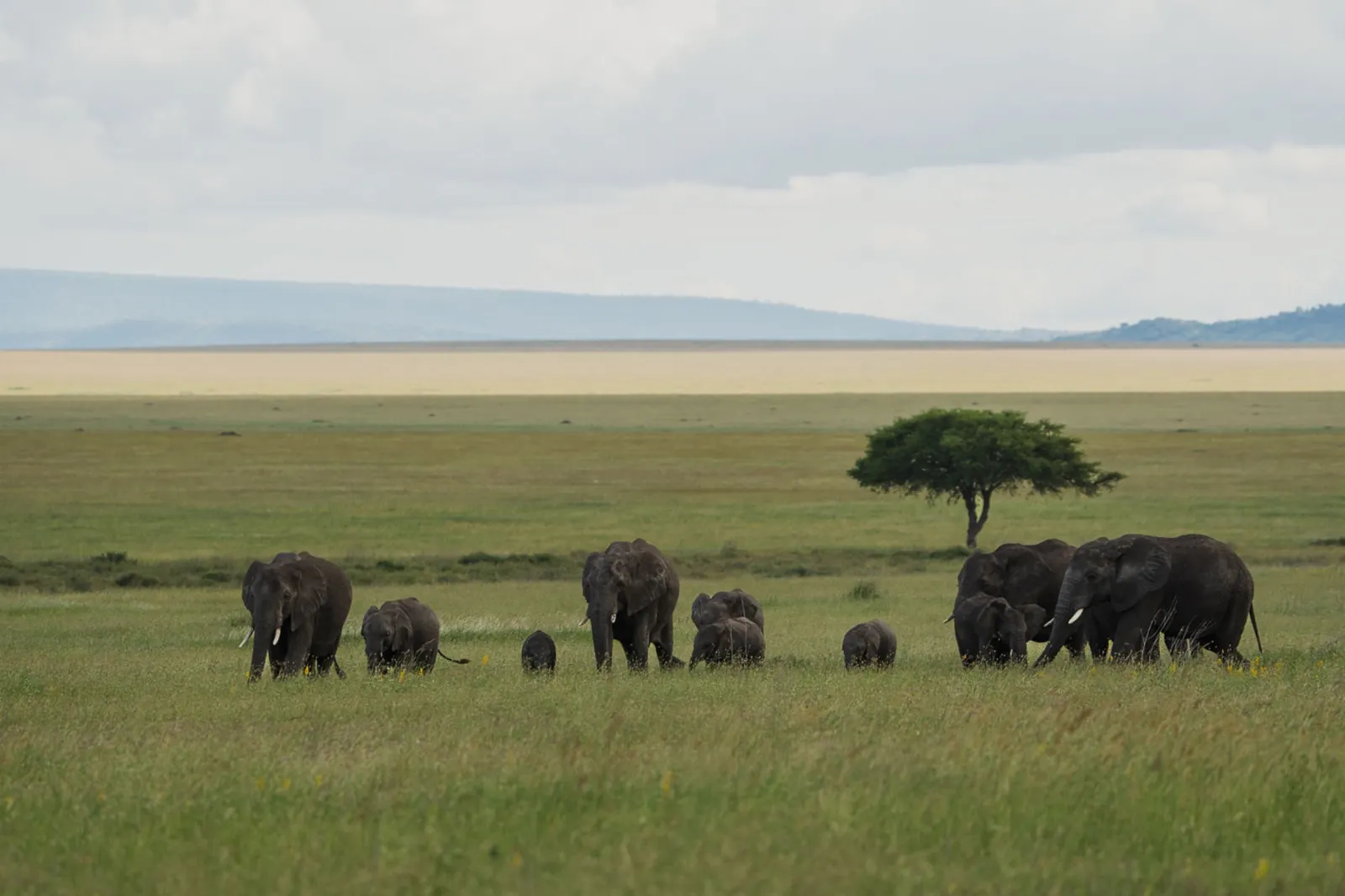
Northern Tanzania offers extraordinary wildlife photography opportunities across different landscapes. The Serengeti's open plains, Ngorongoro's crater floor and Tarangire's elephant populations create different photographic conditions. Although all three destinations are famous for wildlife, the ideal lens depends on viewing distance, the animals you hope to photograph and your experience.
Lenses for the Serengeti
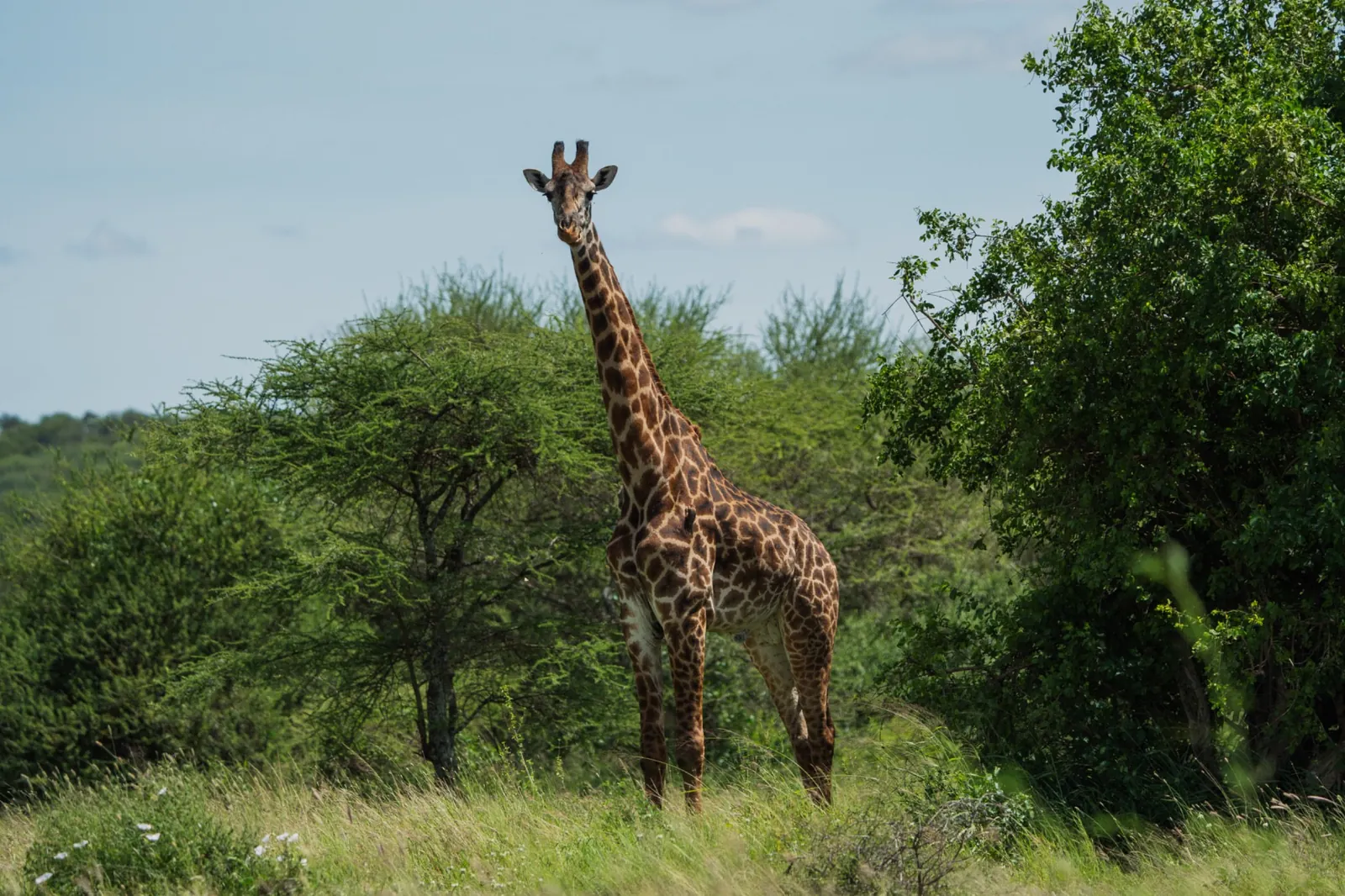
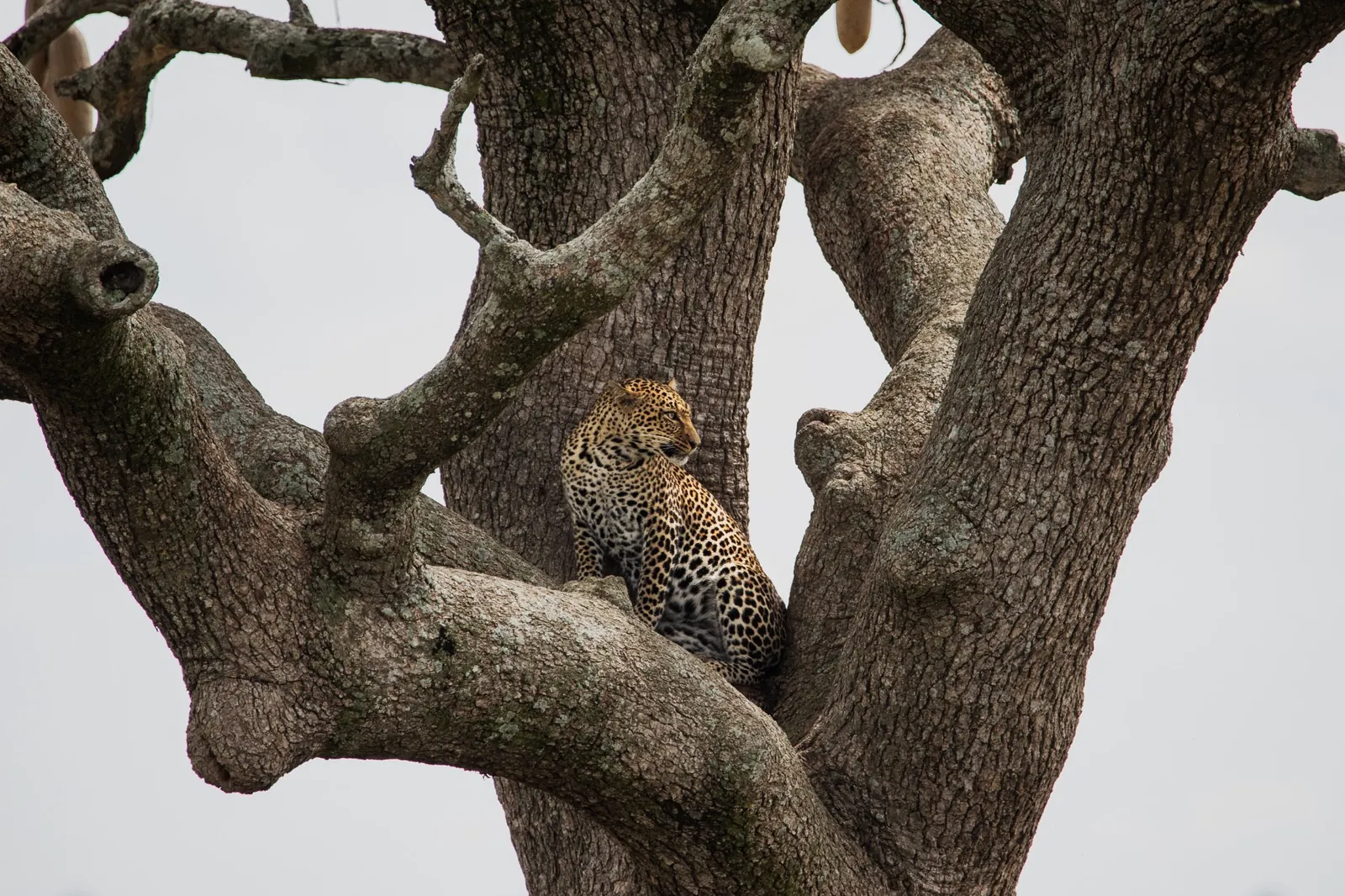
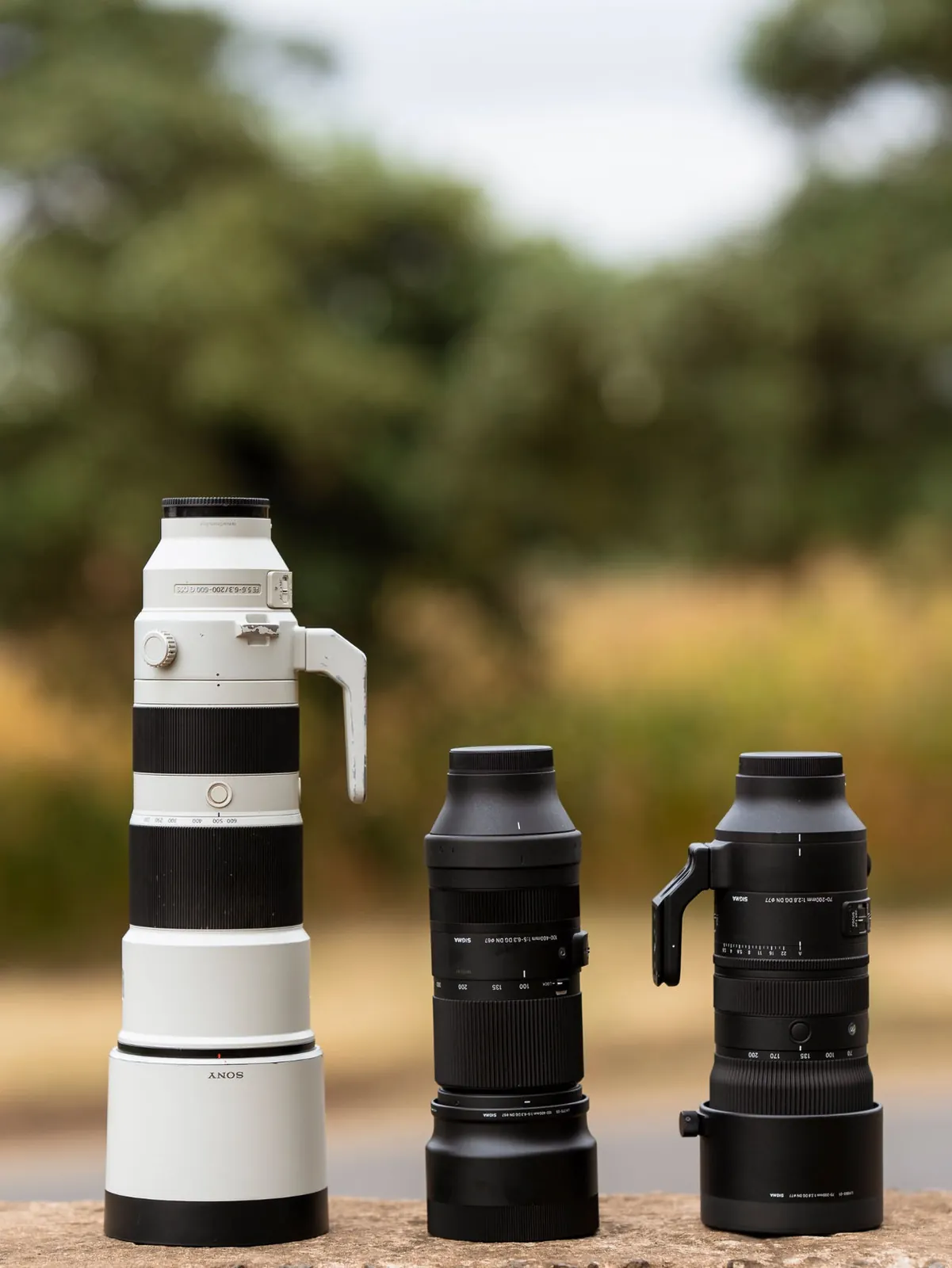
Lions, cheetahs, leopards and migrating herds may be close to the vehicle or visible across considerable distances. A Sigma 100–400mm or Tamron 50–400mm provides flexibility for larger mammals and environmental photographs. For more distant subjects, a Sigma 150–600mm, Tamron 150–500mm, Sony 200–600mm or Nikon 180–600mm offers additional reach. Experienced bird photographers may value the Sony 400–800mm or Canon 200–800mm, although these can be restrictive when animals approach.
Long lenses for black rhinos in Ngorongoro
Ngorongoro Crater offers the possibility of seeing the endangered black rhinoceros. Black rhinos are not always near safari vehicles; they may be visible far across the crater floor. In that situation, a Canon RF 200–800mm or Sony FE 400–800mm can frame the animal more tightly from an appropriate viewing position. A Sony APS-C camera with a Tamron 150–500mm offers a full-frame-equivalent field of view reaching approximately 750mm. Greater reach does not guarantee sharp images: heat shimmer, haze, low light and camera movement can reduce detail. For general crater wildlife and landscapes, a 100–400mm or Canon RF 100–500mm remains useful.
A black rhino sighting can be a highlight of a Ngorongoro visit, but the animal may remain far from permitted vehicle routes. Long focal lengths help fill more of the frame while respecting the animal and the guide's positioning decisions. There are practical limits: on a warm day, heat shimmer across the crater floor can soften even technically well-focused images. Use a stable shooting position, keep shutter speed appropriate for the focal length and take a few wider photographs that show the rhino within its habitat. Sightings themselves are never guaranteed.
Lenses for Tarangire
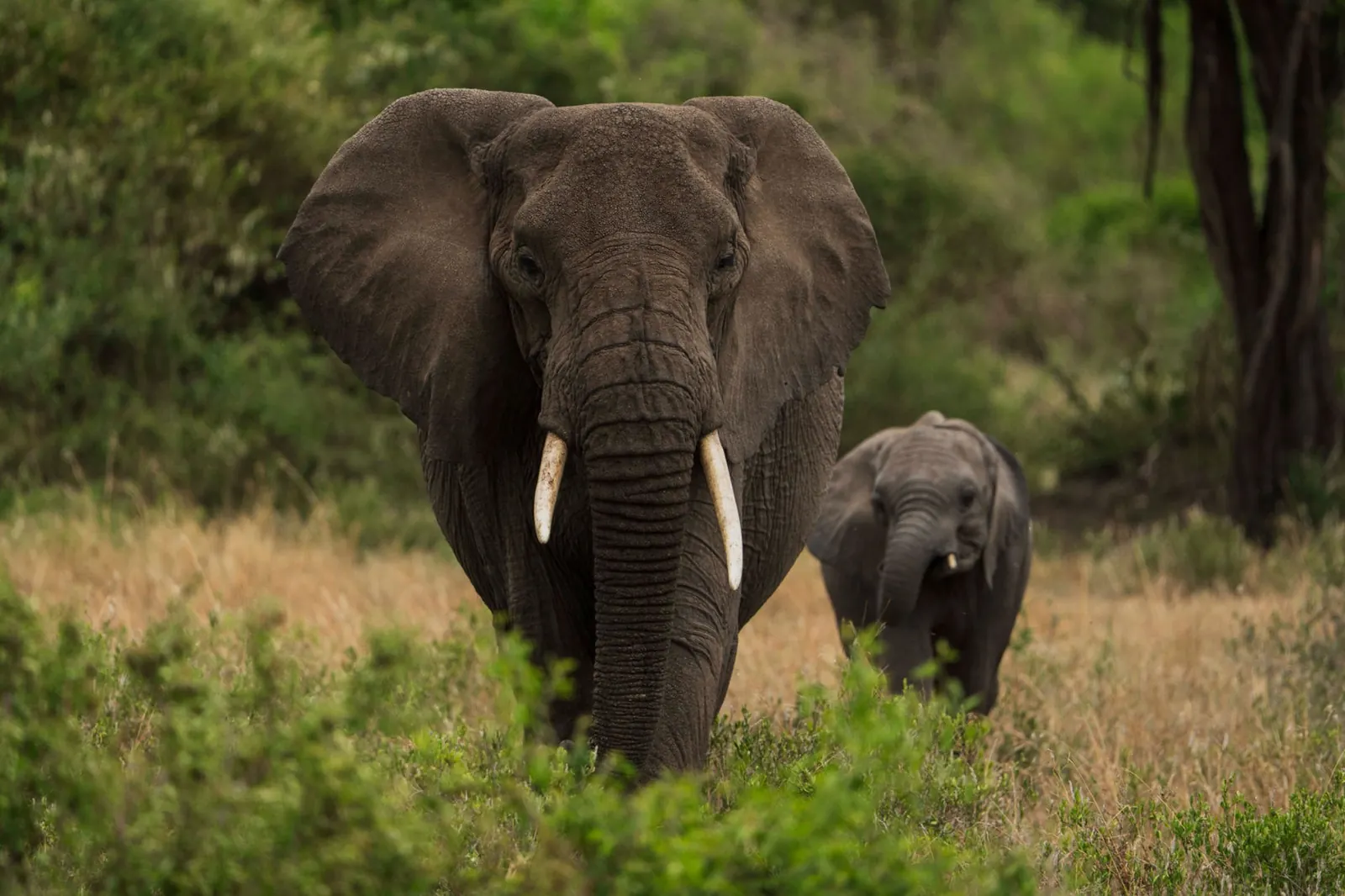
Tarangire is known for elephants, baobab trees and birdlife. Large elephants may be relatively close to the vehicle, making a flexible zoom more practical than an extreme telephoto. The Tamron 50–400mm, Sigma 100–400mm and Canon RF 100–500mm let photographers respond to different distances. For birds, longer lenses such as the Nikon 180–600mm, Sony 200–600mm or Canon 200–800mm offer additional reach. An elephant photographed beneath a baobab may tell a stronger story than a tightly cropped portrait.
Tarangire also rewards photographers who look beyond individual animals. Baobab silhouettes, elephant families crossing dusty tracks and birds perched in woodland all benefit from different compositions. A lens that begins at 50mm or 100mm may be easier to use for these scenes than one that begins at 400mm. If bird photography is a priority, however, additional reach can be valuable. Think about your interests before choosing the lens rather than assuming every park requires identical equipment.
Travelling with more than one lens
Not necessarily. One telephoto zoom covers many wildlife encounters. Photographers who also want wider landscapes and travel scenes may benefit from carrying a shorter lens. If renting one lens, balance reach, handling and flexibility for the entire itinerary, rather than optimising for one hypothetical encounter.
Choose equipment for your route
Lens On Safari Camera Rentals provides equipment for visitors to Serengeti, Ngorongoro and Tarangire. Share your exact camera model, photographic interests and itinerary to identify a practical lens combination.